Cold Pints and Curries: A Natural Pairing for the Birmingham Sports Fan
There is a quiet magic in the moment when the first sip of a lager meets the first forkful of a rich, spiced sauce. For many of us who grew up in the Midlands, the combination of cold pints and curries is not a trend or a fusion experiment. It is simply the way a Saturday afternoon should feel. The pint cuts through the heat of the cumin and coriander, while the turmeric and chilli linger long enough to make the next swallow taste even cleaner. It is a rhythm that has played out in pubs and curry houses across Birmingham for generations.
Yet the pairing deserves more respect than it often gets. Too many people treat it as an afterthought, grabbing whatever beer is coldest and whichever curry is closest. The reality is that the acidity, bitterness and carbonation of a well-kept pint do specific work inside a dish built around slow-cooked onions, ginger, garlic and dried spices. A proper bitter can lift the sweetness of a korma. A clean lager can reset the palate after a blast of green chilli. And an IPA, with its hop-forward profile, can stand up to the charred flavours of tandoor-cooked meat. This is not about snobbery. It is about knowing what works and why.
Why the Pint Belongs at the Curry Table
The chemistry is straightforward. Fat and alcohol both carry flavour, but carbonation and bitterness act as palate cleansers. A curry that relies on ghee, cream or yoghurt coats the tongue. A cold, fizzy beer scrapes that coating away, leaving you ready for the next bite. This is why the combination of cold pints and curries has been a staple of British pub dining for decades. It is not a gimmick. It is a functional, delicious partnership.
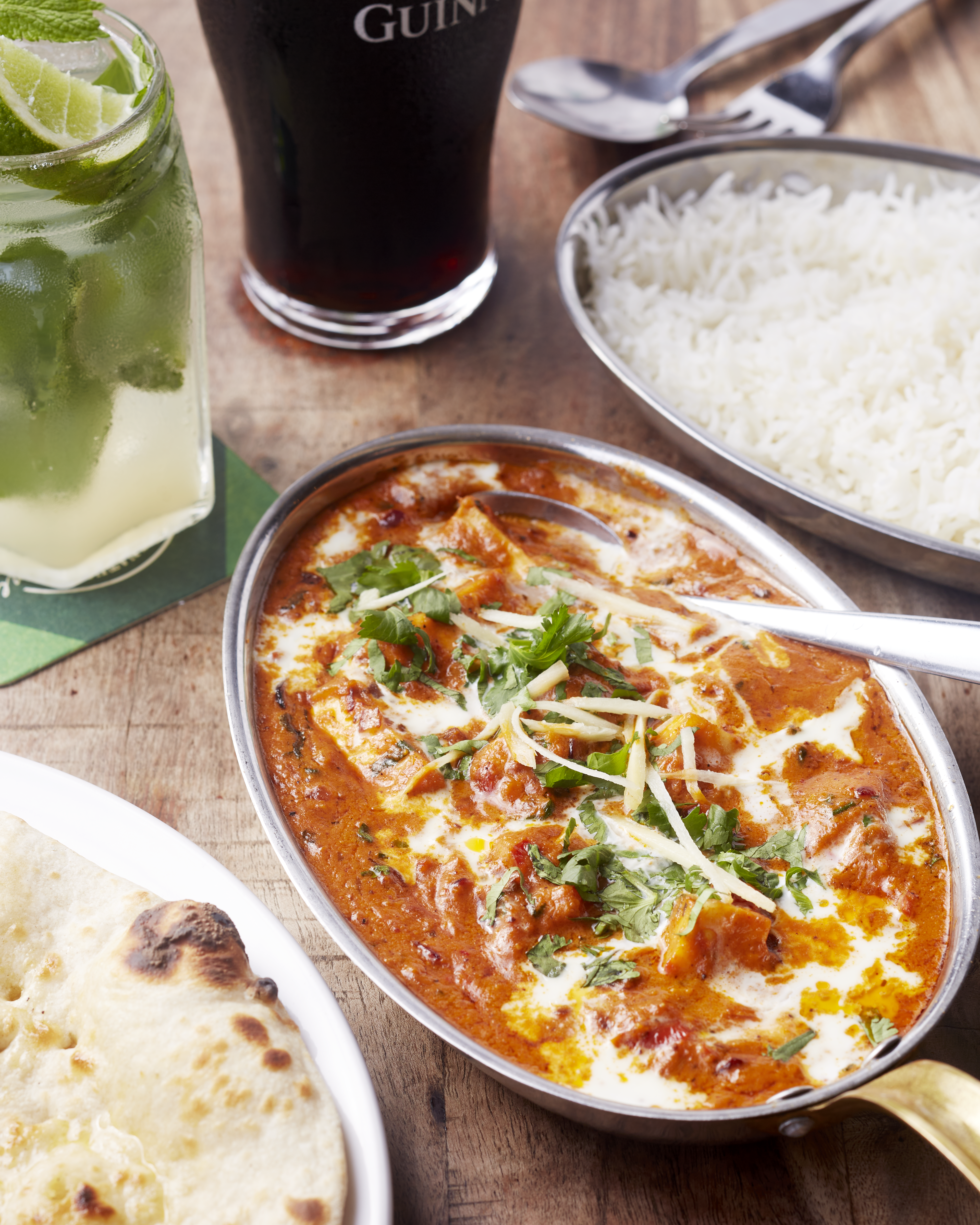
Consider a classic chicken tikka masala. The sauce is tomato-based, sweetened with cream and butter, and spiced with garam masala, fenugreek and a pinch of chilli. A pint of a well-made bitter, served at around 6 to 8 degrees Celsius, breaks through the richness without overwhelming the delicate notes of the marinade. The same logic applies to a lamb bhuna, where the meat is cooked down until the sauce is thick and dark. A lager with moderate bitterness, say a German helles or a Czech pilsner, will lift the savoury depth and keep the palate fresh.
Connect with us on LinkedIn.
Even the most casual observer can sense that there is a difference between a pint served too cold and one served at the right temperature. A pint that is near freezing numbs the tongue, masking the complexity of both the beer and the food. A slightly warmer pint, still cold but not icy, allows the malt and hop character to shine. That is the sweet spot for drinking alongside a well-spiced curry.
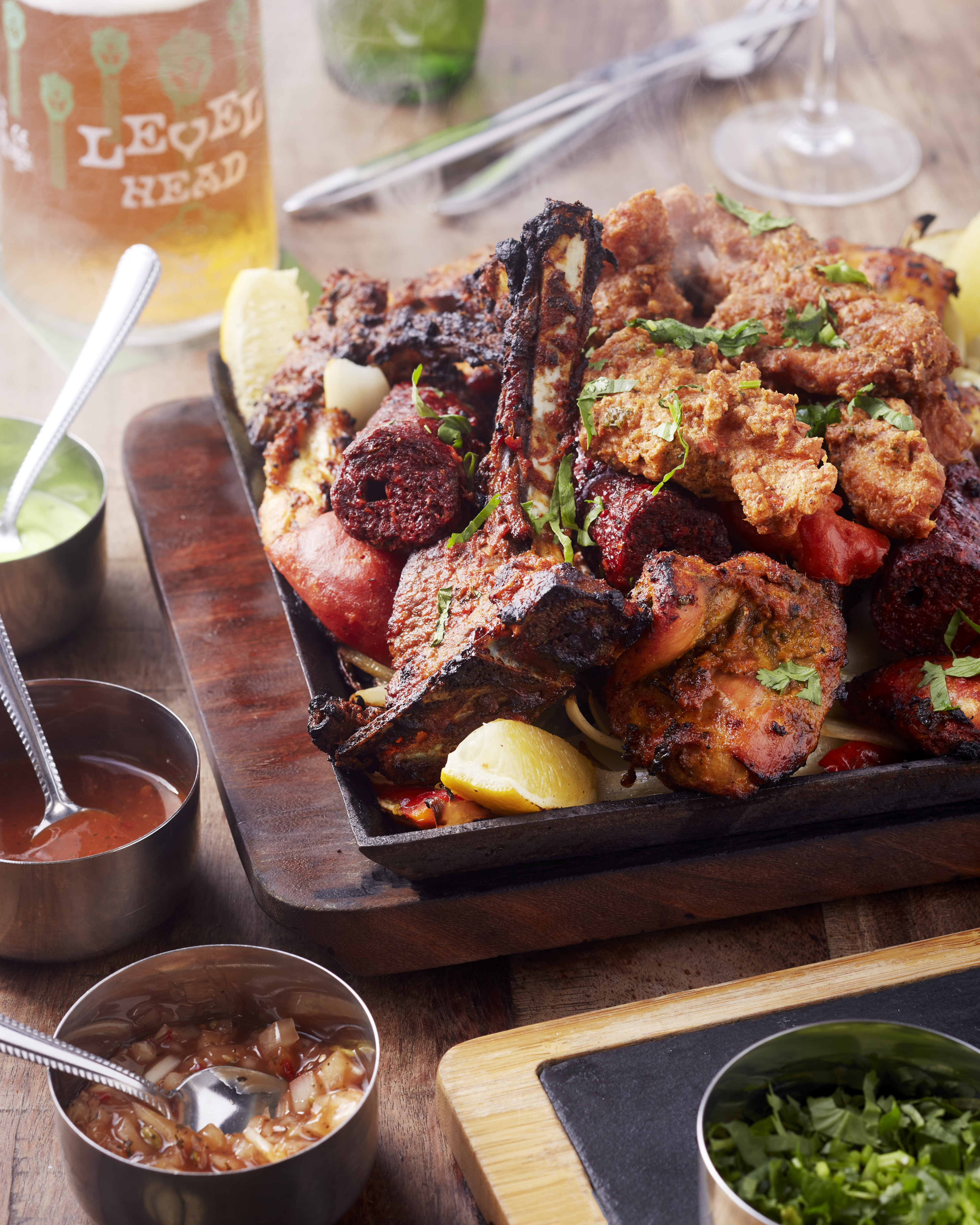
The Tandoor Connection
One of the most satisfying ways to experience this pairing is through food cooked in a clay tandoor. The tandoor is a cylindrical oven that reaches temperatures well above 400 degrees Celsius. Meat cooked in it develops a char on the outside while staying moist within. That char brings bitterness and smoke, which needs a clean, crisp beer to balance it. A seekh kebab, for example, is minced lamb mixed with onion, ginger, green chilli and fresh coriander, then grilled on a skewer. The exterior is blackened and crunchy. The inside is juicy. A cold lager cuts through the fat and the char, leaving you ready for the next piece.
Tandoori chicken, marinated in yoghurt and spices and cooked until the skin is blistered, is another classic. The yoghurt marinade caramelises on the surface, creating a layer of sweet and savoury flavour that can be overwhelming on its own. A pint of wheat beer, with its banana and clove notes, can match that complexity. Or a simple lager can act as a reset button, letting you taste each bite as if it were the first.
The same principles apply to masala fish, where a firm white fish is coated in a spiced gram-flour batter and fried or grilled. The batter is crisp and oily, the fish delicate. A pale ale, with its moderate bitterness and citrus notes, can cut through the oil without masking the fish. This is not a theoretical exercise. I have tested it in kitchens and pubs across the city, and the results are consistent every time.
Cold Pints and Curries in a Sports Bar Setting
There is a particular joy in watching a football match or a boxing fight while eating tandoori meat and drinking a cold pint. The energy of the crowd, the tension of the game, and the slow, satisfying burn of a curry all feed into each other. A place that understands this dynamic will keep its beer lines clean and its spice levels consistent. It will pour a pint that is cold enough to refresh but not so cold that it numbs the palate. And it will serve curries that are balanced enough to eat throughout a match without overwhelming the drinker.
This is where the phrase cold pints and curries takes on its full meaning. It is not just about the food and drink. It is about the context - the big screen showing the Premier League, the roar of the crowd when a goal is scored, the shared experience of a Saturday afternoon or a Tuesday night fixture. The right beer and the right curry turn a casual viewing into something memorable.
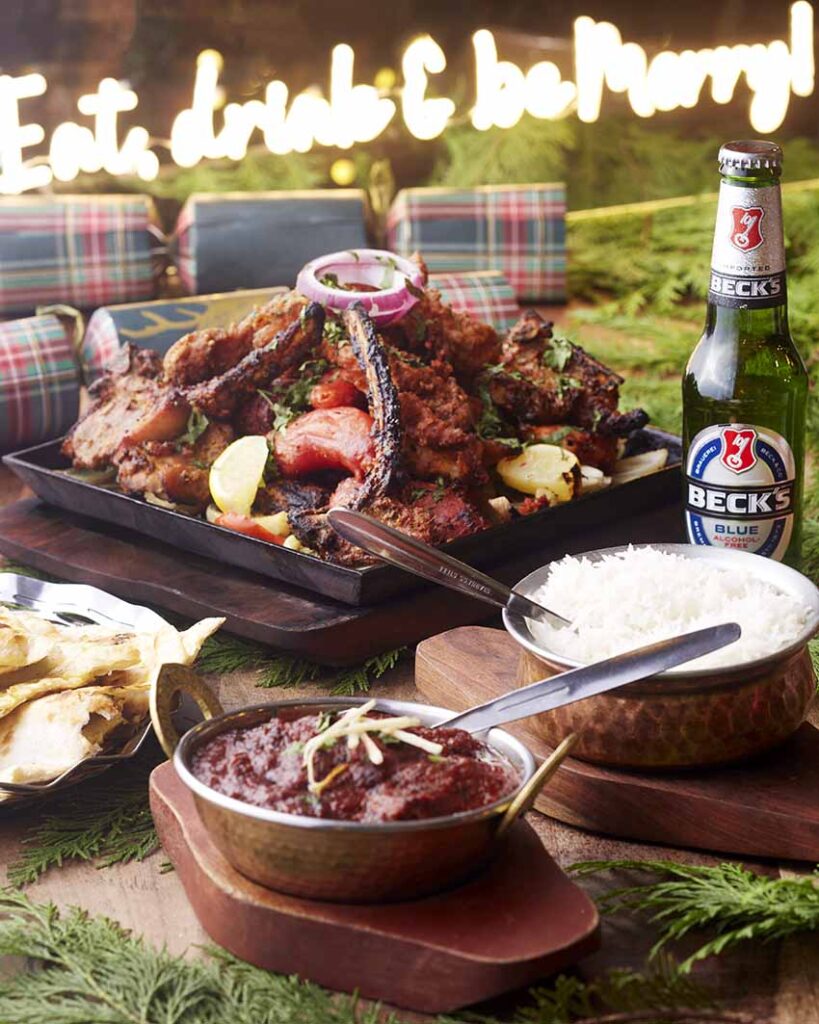
Birmingham has long been a city where this culture thrives. The proximity to the NEC and Birmingham Airport means that many visitors land and head straight for a curry house and a pint. The city's pubs and restaurants have learned to cater to a crowd that wants both quality and speed. A well-stocked bar with nine taps, offering a range of lagers, ales and stouts, gives the drinker options. And a kitchen that understands the tandoor, that can turn out a perfect chicken tikka or lamb chop in minutes, makes the whole experience seamless.
Practical Tips for the Home Cook and Drinker
If you want to recreate this pairing at home, there are a few things worth keeping in mind. First, chill your glasses. A warm glass will warm the beer too quickly, flattening the carbonation and muting the hop character. Second, serve the curry at a temperature where the spices are active but not scalding. A curry that is too hot will mask the beer, and a beer that is too cold will mask the curry. Find the middle ground.
Third, consider the spice level. A mild korma or butter chicken works best with a malty beer like a brown ale or a mild. A medium-spiced dish like a jalfrezi or a dopiaza pairs well with a pilsner or a pale ale. A hot vindaloo or phaal needs a beer with enough bitterness to stand up to the chilli, such as a double IPA or a robust stout. The heat of the chilli binds to the bitterness of the hops, creating a sensation that is greater than either element alone.
Fourth, do not forget the sides. Onion bhajis, samosas and poppadoms are all excellent with beer. The saltiness of the bhajis and the crunch of the poppadoms cry out for a crisp lager. And a tray of mixed grills, with seekh kebabs, lamb chops and chicken wings, is a meal that practically demands a pint in hand.
Finally, remember that the best pairing is the one you enjoy. There is no single right answer. What matters is that the beer and the curry work together, that each sip and each bite makes the other better. That is the principle behind cold pints and curries, and it is a principle that has stood the test of time in Birmingham's dining scene.
For anyone who wants to experience this pairing at its best, Smokey Barrels at 1741 Coventry Rd, Birmingham B26 1DS, UK, phone +44 121 764 5519, is an Indian restaurant and sports bar where the bar pours nine beers on tap and the kitchen works around a clay tandoor, serving mixed grills, chicken tikka, seekh kebabs, lamb chops and masala fish alongside curries, vegetarian dishes, pub classics and a children's menu, with Premier League football, boxing, F1, cricket and rugby shown live on big HD screens, free on-site parking, a beer garden, and private hire for 70 to 150 guests.